Case 1: Slow operation of the entire excavator Causes of failure: 1 Main relief valve spring broken or plunger stuck in the open (relief) position 2 Air trapped in the pump (cavitation/suction of air) 3 Main pressure valve severely worn or clearance too large 4 Malfunction of the main relief valve on the valve block 5 Damaged O-ring Repair methods: 1 Replace the main relief valve 2 Bleed air from the pump 3 Replace or repair the main pressure valve 4 Replace or repair the main relief valve Slow operation of the entire excavator Case 2: Causes of failure: 1 Pilot control oil circuit pressure too low 2 Main pump pressure too low, causing slow operation of the entire machine 3 Hydraulic circuit obstruction; hydraulic oil filter element clogged, causing slow operation of the entire machine Repair methods: 1 Measured self-reducing valve pressure; disassembly revealed the internal copper mesh screen was clogged 2 Hydraulic oil emulsified and degraded; contained water and impurities 3 Hydraulic oil filter element clogged; copper mesh detached; significant impurities in the hydraulic oil tank 4 Root cause: “Hydraulic oil filter element clogged” 5 Solution: “Flush the hydraulic system 2–3 times; replace hydraulic oil and filter element” Liebherr Excavator Repair Company (Guiyang, Guizhou) Case 3: Slow excavator bucket operation Analysis of failure causes: 1 If the excavator bucket operates slowly or lacks power, first check if the output pressure of the PPC valve is normal (normal value: 2.7 MPa) 2 If normal, further check if the movement of the bucket spool in the control valve is smooth 3 If smooth, continue to check if the pressure compensation valve is functioning correctly or if the pressure compensation plunger moves smoothly 4 If functioning correctly, check if the leakage rate of the bucket cylinder is within normal limits 5 If the answer is “Yes,” the cause of the slow bucket movement is a malfunction of the safety and inlet valve; it requires repair or replacement. Further reading: 1 If the answer to step 1 is “No,” the PPC valve is faulty and requires replacement. 2 If the answer to step 2 is “No,” the control valve spool is malfunctioning and requires repair or replacement. 3 If the answer to step 3 is “No,” the pressure compensation valve or plunger is malfunctioning and requires repair or replacement. 4 If the answer to step 4 is “No,” the bucket cylinder piston seal is defective and requires repair or replacement. [Case 4] Excavator movements are slow and lack power Analysis of fault causes 1 Slow and weak excavator movement in Hyundai excavators is generally caused by a malfunction of the main relief valve. 2 The main relief valves on these excavators are pilot-operated; common reasons for malfunction include: ① Abnormal pressure setting ② Wear on the poppet valve’s conical surface ③ Clogged damping orifice in the pilot spool ④ Broken springs, etc. 3 These are the common causes of slow and weak movement in Hyundai excavators. So, what should a technician do when this fault occurs during operation? How can the cause be identified and the problem resolved? Our factory’s Hyundai excavator repair experts offer the following advice. 4 When this fault occurs, first swap the suspected faulty main relief valve with a known good one and test the machine; if the fault moves to the other circuit, the main relief valve is confirmed as the cause. 5 If the fault does not move after swapping, further troubleshooting is required. Further reading: Slow and weak boom movement Common causes: 1 Blockage in the hydraulic circuit. 2 Leakage in the hydraulic circuit (caused by seal failure, improper assembly, loose fittings, deteriorated O-rings, etc.). 3 Internal leakage in the boom control spool or cylinder causing slow and weak boom movement. 4 Internal leakage in the boom cylinder. 5 Problem with the boom control spool.
How to troubleshoot and repair slow operation issues in Liebherr excavators

Related Posts

How Checking and Cleaning John Deere Tractor 100 Series Engine Air Cleaner Elements (LA125)
This article explains how to inspect and clean the engine air filter element on a John Deere 100 Series tractor ...

How to remove the coolant temperature sensor from an Isuzu 4JH1 engine?
Removal 1.Disconnect the battery cable negative terminal. 2.Drain the engine coolant. 3.Open the engine cover.(Non-tilt cab model only) 4.Disconnedt the ...
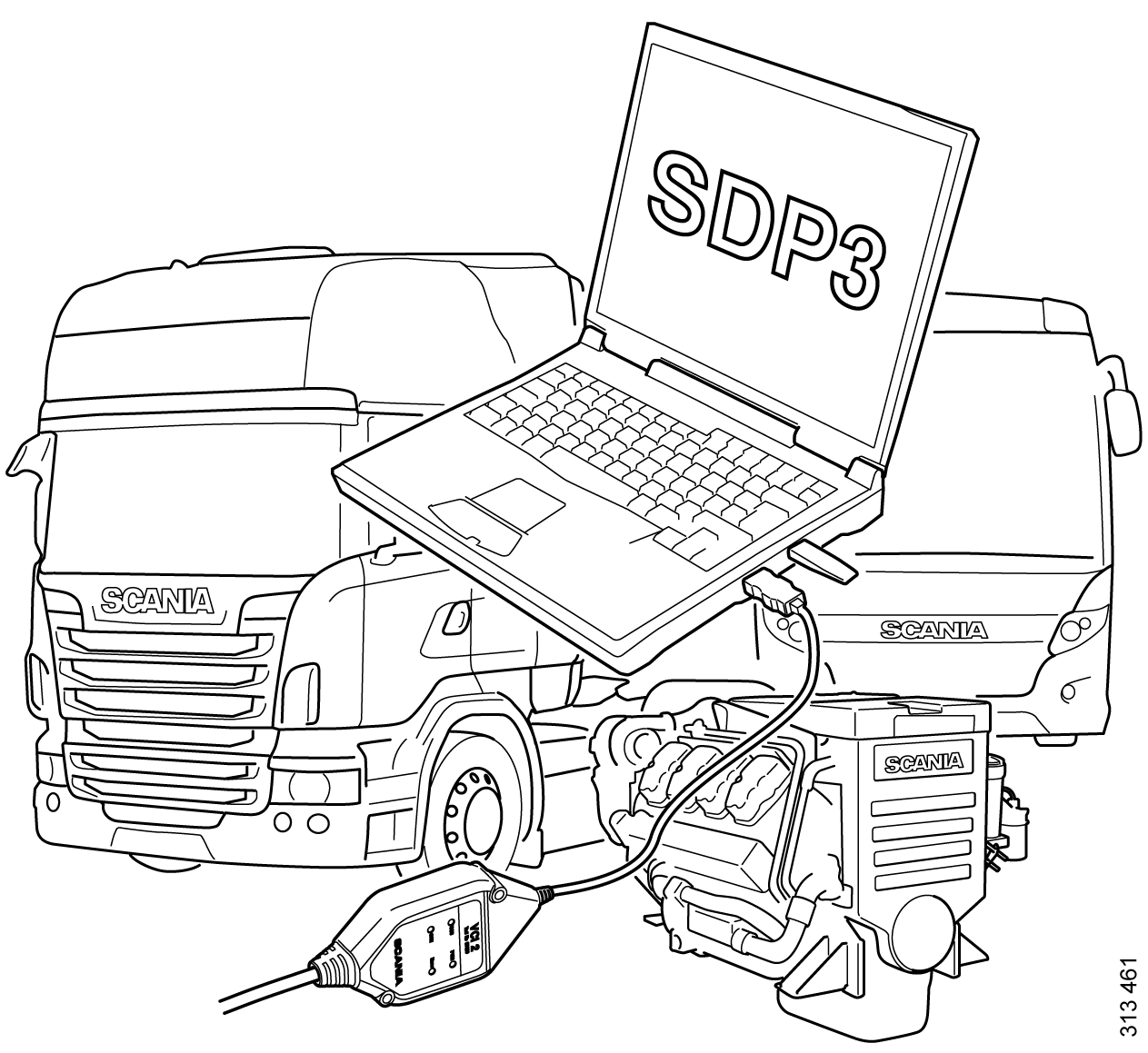
Scania Diagnos adapter System requirements and ancillary equipment requirements
Scania Diagnos adapter System requirements and ancillary equipment requirements (08.2025)Scania SDP3 2.66.2.6 Diagnosis & Programming Truck Software System requirements The ...